Smartphone App Layouts Directing Reward Sequences from Slot Features to Live Table Settlements
Ben Flores · Aug 6, 2026
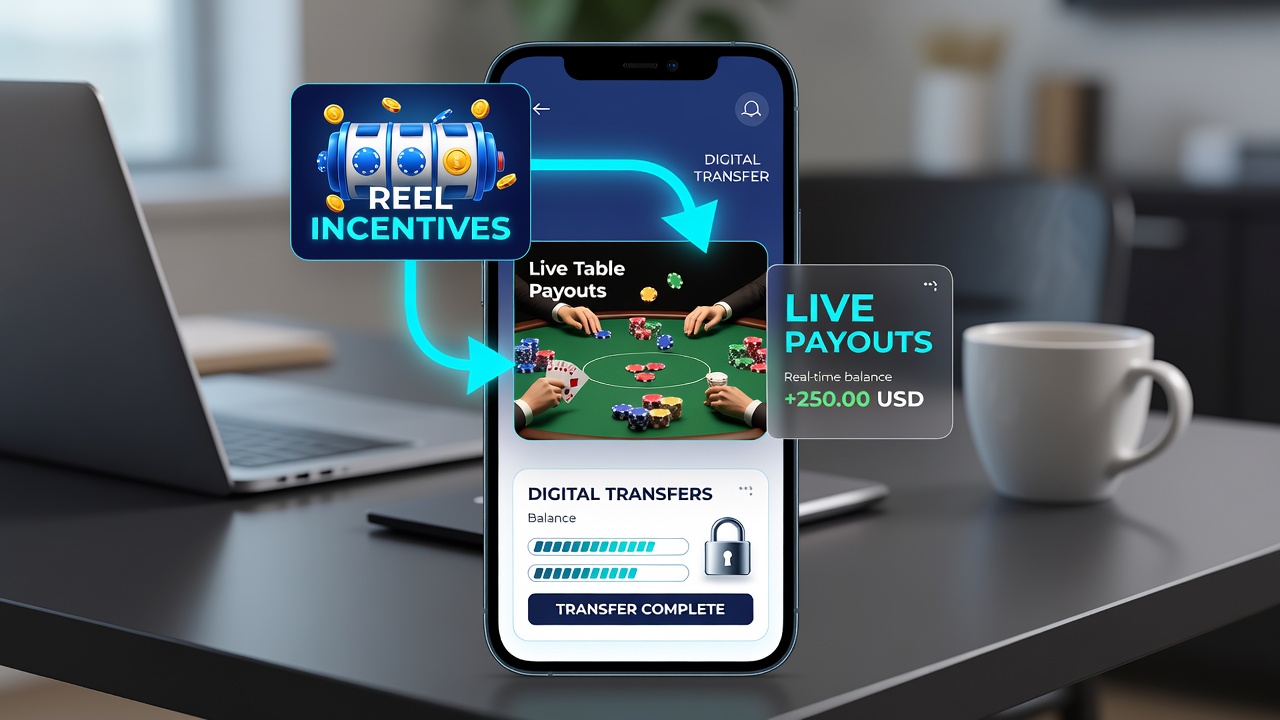
Smartphone App Layouts Directing Reward Sequences from Slot Features to Live Table Settlements
Smartphone applications in digital gaming environments organize visual elements and navigation paths to connect slot machine incentives with opportunities at live dealer tables and subsequent fund movements through electronic channels. Data from the American Gaming Association indicates mobile platforms accounted for over 60 percent of total online gaming activity in several regulated markets during 2025, with interface structures playing a central role in user progression between game types.
Designers arrange primary screens so that reel-based features occupy prominent positions at the top or center of the home view, while live table sections appear in adjacent tabs or scrollable carousels. This placement allows users to move from bonus-activated slot sessions into real-time table environments without multiple menu layers. Observers note that swipe gestures and persistent bottom navigation bars reduce the steps required to shift from one category to the next, maintaining session continuity across different game formats.
Interface Elements Supporting Incentive Flow
App layouts incorporate persistent balance indicators and progress trackers that update in real time as reel incentives convert into playable credits. These trackers display remaining bonus amounts alongside eligibility markers for live table access, creating a visual chain that guides users forward. Buttons labeled with terms such as "Join Live" or "Transfer Credits" appear directly beneath active slot displays once certain thresholds are met, streamlining the shift to dealer-hosted games.
Color coding and iconography further reinforce these pathways. Slot sections often use vibrant reel symbols, while live table areas employ subdued tones with card or wheel imagery. When users complete a set number of spins or achieve a specific win multiplier, the interface highlights the live table option with a temporary glow or banner, directing attention toward the next stage in the reward sequence.
Digital Transfer Mechanisms Integrated into Navigation
Once activity moves to live tables, the same layout framework presents withdrawal and deposit controls within minimal taps from the game screen. Digital transfer options such as e-wallets and bank links sit in a dedicated tray accessible from the main game view rather than buried in account menus. This arrangement keeps the focus on gameplay while allowing immediate fund movement when table sessions conclude.
Research conducted by the International Gaming Institute at the University of Nevada shows that apps featuring one-tap transfer prompts after table rounds experience higher completion rates for payout requests compared with those requiring separate account navigation. The study examined user behavior across multiple platforms and found that integrated payment tiles reduced average transaction time by approximately 40 percent.
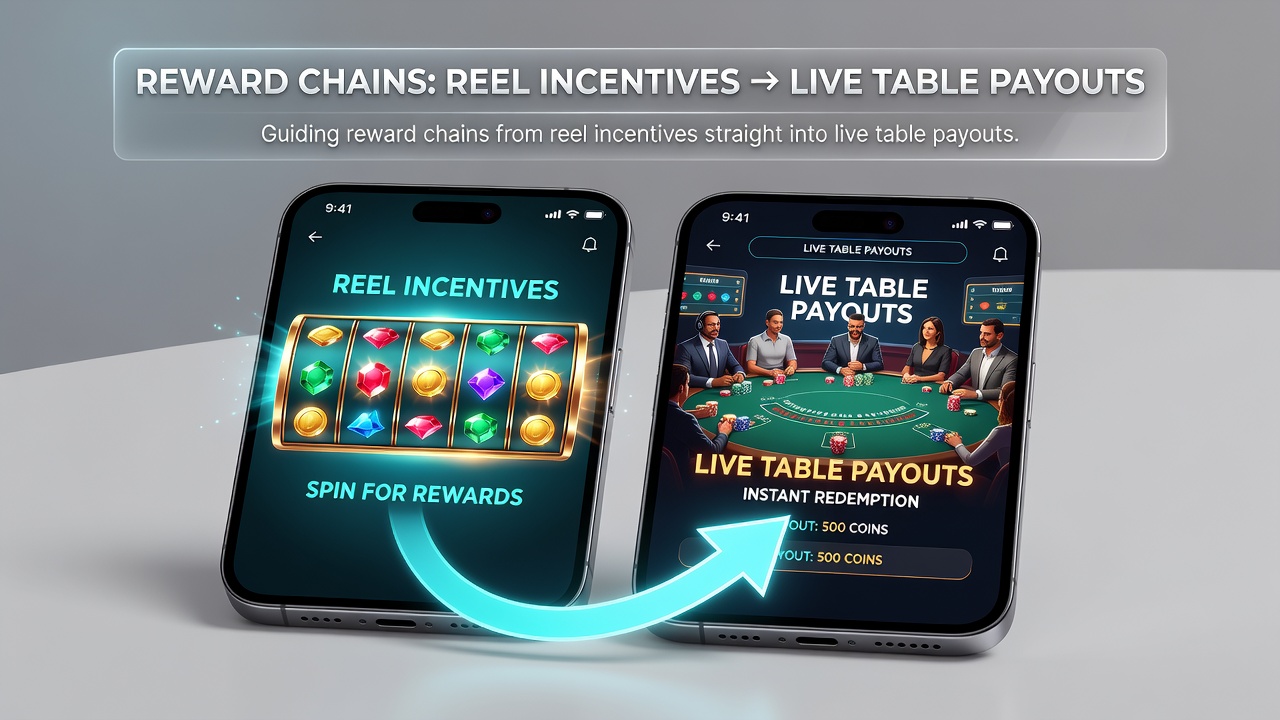
Security indicators appear alongside each transfer option, displaying encryption badges and verification status without interrupting the visual flow. Users can review transaction histories in a side panel that remains visible during active play, supporting transparency throughout the reward chain.
Cross-Platform Consistency and Regulatory Alignment
Developers maintain layout consistency across iOS and Android versions to ensure the reward progression functions identically regardless of device. Grid-based designs adapt to different screen sizes while preserving the relative positions of slot incentives, live table entries, and transfer controls. Updates released in August 2026 introduced additional gesture controls for faster category switching on larger foldable devices.
Regulators in multiple jurisdictions require clear separation between game content and financial functions. App layouts address these requirements through distinct visual zones: gaming areas occupy the central screen space, while transfer tools remain in fixed peripheral positions. This organization satisfies compliance standards while preserving the seamless movement from reel incentives through live tables to final digital settlements.
Examples of Layout Patterns in Current Applications
One widely adopted pattern places a horizontal scroll of active bonuses directly above the live dealer lobby. Users who trigger a reel incentive see the corresponding credit amount highlighted in this bar, with a direct link to matching table games that accept those credits. Another pattern uses a vertical timeline view that lists each completed step in the reward sequence, ending with a payout confirmation screen.
Applications serving the Australian market, according to figures from the Australian Communications and Media Authority, have implemented similar structures with localized payment providers integrated at the final stage. These designs allow users to complete the full sequence from slot feature to table settlement and digital transfer within a single continuous session.
Conclusion
Smartphone app layouts function as structured pathways that connect slot incentives, live table participation, and digital fund transfers through deliberate placement of visual and interactive elements. Data from industry and academic sources confirms that these interface choices influence how users move between game types and complete transactions. As device capabilities and regulatory frameworks continue to evolve, layout patterns will likely incorporate additional refinements while retaining the core objective of guiding reward sequences from initial reel activity to final settlement.