Payment Ecosystems Accelerating the Transition from Video Slot Incentives to Live Interactive Dealer Formats on Smartphones
Ben Flores · Sep 5, 2026

Payment Ecosystems Accelerating the Transition from Video Slot Incentives to Live Interactive Dealer Formats on Smartphones
Data from industry reports shows mobile payment systems now handle seamless transfers between promotional credits earned on video reels and real-time stakes placed in interactive dealer environments, while integration protocols allow users to move funds without leaving the application interface. Researchers at several academic institutions have documented how digital wallet connectivity reduces latency between bonus activation stages and table game entry points across multiple operating systems.
Core Components of Modern Payment Networks in Mobile Gaming
Payment processors deploy tokenization methods that secure transaction data during shifts from reel-based reward mechanisms to live video streams featuring human dealers, and these same networks support instant verification steps required by various regulatory frameworks outside the United Kingdom. Studies conducted by university teams in North America indicate that application programming interfaces linking banking services with gaming platforms achieve settlement times measured in seconds rather than minutes during peak usage periods.
One analysis released in early 2026 highlighted growth in cross-border wallet usage among smartphone users who alternate between slot promotions and dealer-led sessions, while figures from Canadian research groups revealed similar patterns tied to regional banking partnerships. Observers note that stablecoin options and traditional card rails now coexist within single applications, allowing players to select settlement methods that align with specific game types.
Technical Pathways Enabling the Move Between Game Categories
Application developers embed unified payment ledgers that track promotional balances originating from video reel activity and convert portions of those balances into live dealer chip stacks without requiring separate login sequences or external redirects. Evidence gathered by European trade associations demonstrates that such ledger systems maintain audit trails compliant with data protection standards across multiple jurisdictions.
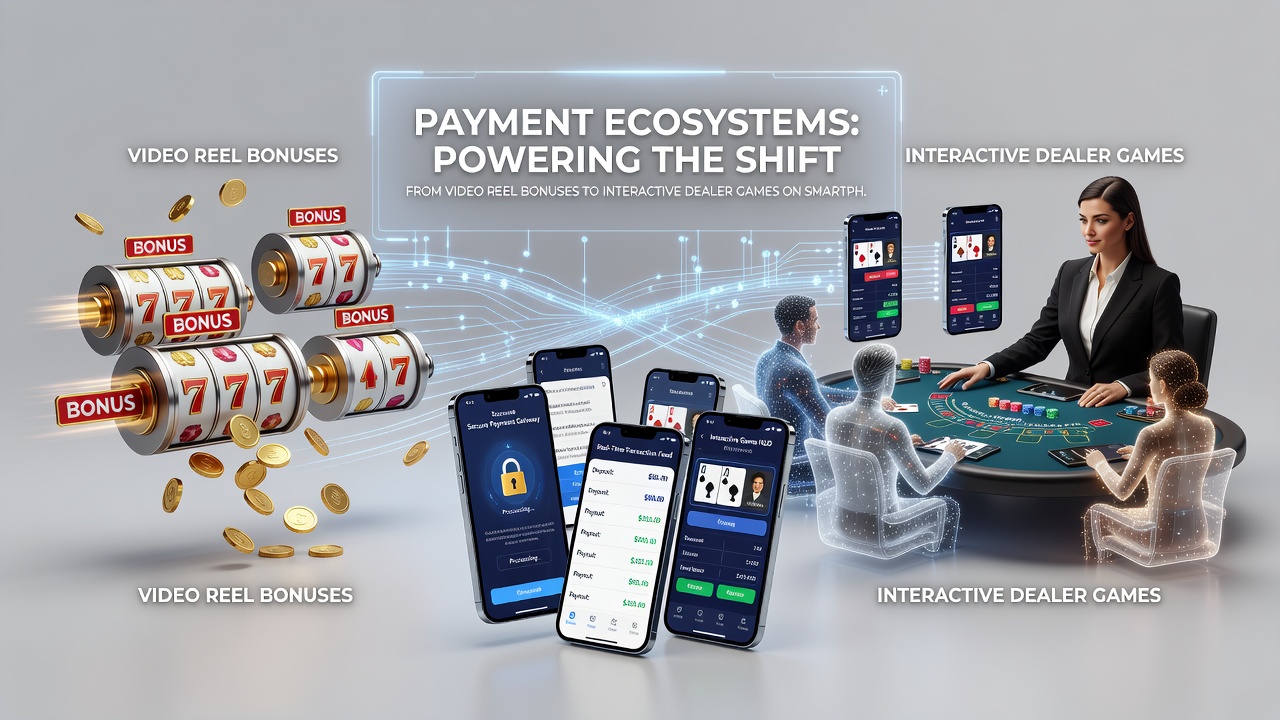
September 2026 updates to several major operating systems introduced deeper support for near-field communication payments inside gaming environments, and these changes coincided with expanded availability of live dealer titles on devices previously limited by older transaction protocols. Researchers discovered that latency reductions achieved through these updates encouraged longer continuous play sessions spanning both game formats.
Regional Variations in Adoption and Infrastructure
North American operators have integrated payment solutions developed in partnership with established financial technology firms, whereas Australian platforms emphasize real-time bank transfer options that accommodate rapid movement between promotional reel content and dealer tables. Reports issued by the American Gaming Association detail how these regional infrastructures differ in fee structures and verification speeds yet achieve comparable user retention metrics.
Academic papers from institutions in Asia-Pacific regions describe experiments with biometric-linked payment authorizations that further streamline entry into interactive dealer rooms after bonus collection on reel games. Data indicates these methods lower abandonment rates during the transition phase compared with traditional password-based confirmations.
Security and Compliance Considerations Across Ecosystems
Encryption standards applied to payment flows protect user data while funds travel between slot-derived credits and live dealer wagers, and independent audits conducted by specialized firms confirm adherence to evolving international guidelines. Organizations such as the European Gaming and Betting Association have published summaries of compliance frameworks that accommodate both traditional and emerging payment rails used in smartphone environments.
One case study examined how multi-factor authentication layers operate during high-volume periods without interrupting the shift from reel bonuses to dealer sessions, while another review compared processing times across different device models released between 2024 and 2026.
Conclusion
Payment ecosystems continue to evolve alongside smartphone capabilities and game design trends, supporting fluid movement between video reel promotions and interactive dealer experiences through integrated technical solutions. Figures compiled by research bodies across several continents illustrate consistent expansion in the volume of transactions that span multiple game categories within single sessions, and infrastructure improvements scheduled for late 2026 are expected to build upon existing connectivity standards.