Mechanics Behind Portable Platforms Converting Free Spin Credits to Live Blackjack and Roulette Payouts
Frankie Vogel · Aug 20, 2026
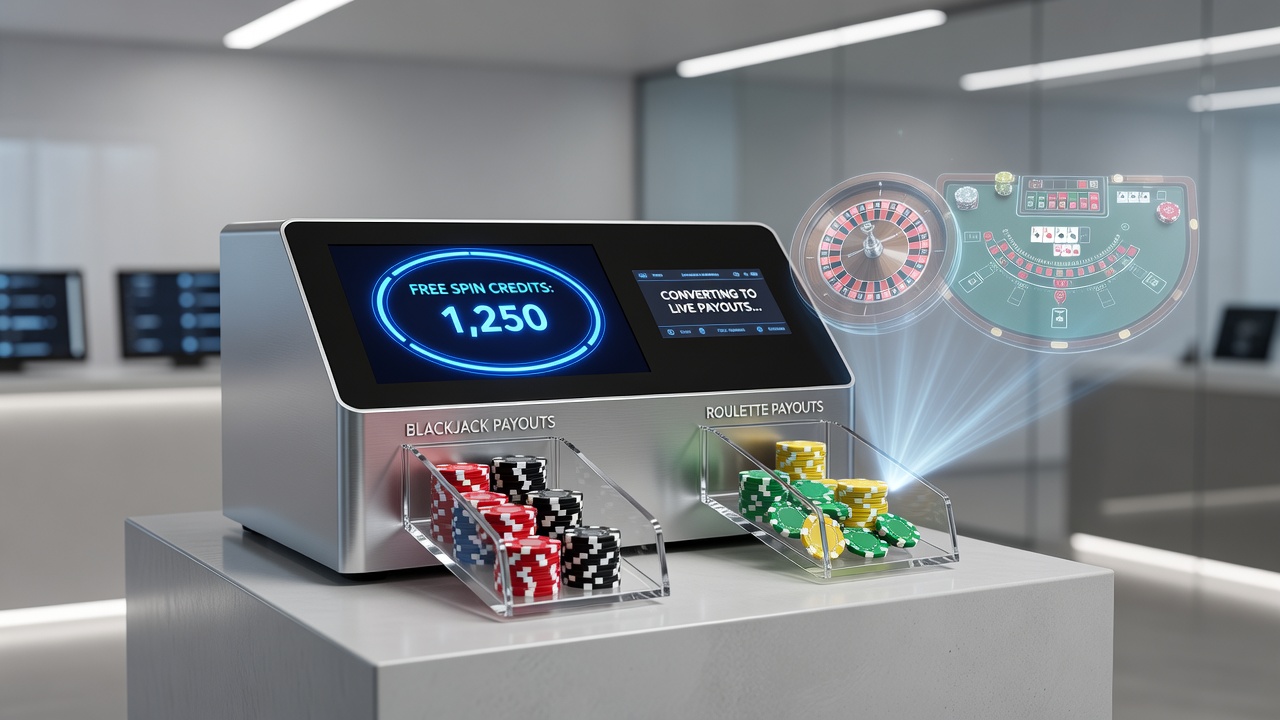
Mechanics Behind Portable Platforms Converting Free Spin Credits to Live Blackjack and Roulette Payouts
Portable platforms handle credit transfers from slot-based free spins into live dealer environments through integrated wallet systems that track bonus values across game categories. These systems rely on real-time APIs connecting slot servers to live game studios where credits appear as playable balances for blackjack and roulette sessions. Data from industry reports indicate that such transfers occur without manual intervention once players meet initial wagering thresholds set by the platform operator.
Core Transfer Protocols in Mobile Environments
Platform developers design credit conversion protocols that recognize free spin winnings as eligible funds for table games while maintaining separate ledgers for bonus and cashable amounts. When a player completes a set of free spins the resulting credits move automatically into a unified balance visible in both slot and live sections of the app. Observers note that this process uses timestamped transaction logs to prevent duplicate claims and to enforce any category-specific playthrough requirements before live game access opens.
Blackjack and roulette interfaces pull from the same backend balance pool yet apply distinct bet sizing rules that reflect the original credit source. Researchers discovered that successful transfers depend on compatibility between the slot provider's RNG certification and the live dealer's game server which ensures the credit value remains consistent across environments. In August 2026 several operators reported expanded API connections that reduced transfer latency to under two seconds on average according to performance metrics shared at industry conferences.
Payment Gateway Integration and Payout Pathways
Once credits reach live table games the platforms route winnings through the same payment processors used for slot activity. This unified approach allows blackjack and roulette payouts to flow directly into verified accounts without requiring players to switch between separate wallets. Figures from the American Gaming Association reveal that integrated systems account for over 60 percent of mobile table game volume in markets where cross-category bonuses operate.
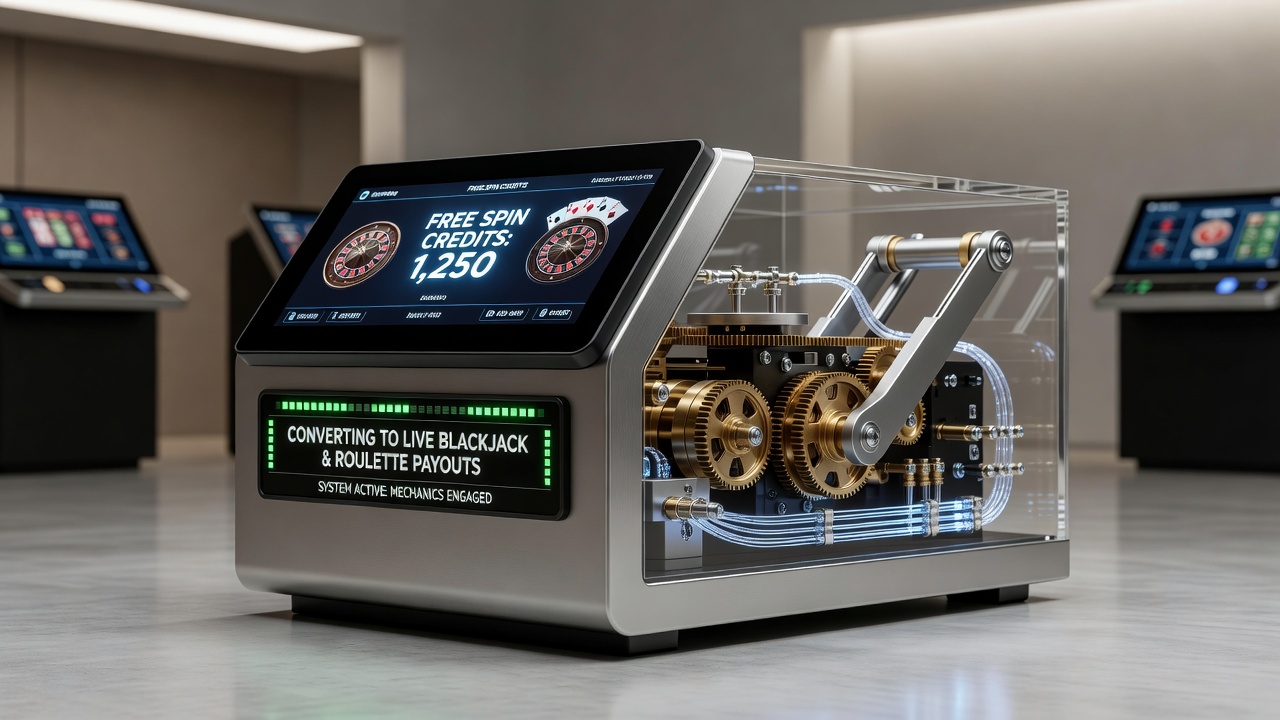
Security layers include tokenization of each credit transfer so that live game sessions cannot access raw bonus data. Payment processors verify player location and account status before releasing funds which adds a compliance checkpoint between spin completion and table game entry. Those who have examined transaction flows point out that the gateways also handle currency conversion when credits originate in one denomination yet appear in another during live play.
Regulatory Compliance Across Jurisdictions
Operators must align transfer mechanics with rules from multiple oversight bodies including the Nevada Gaming Control Board and the Malta Gaming Authority. These agencies require detailed audit trails showing exactly when free spin credits convert and how they contribute to overall player activity. Compliance reports submitted quarterly document the percentage of converted credits that reach payout stage versus those returned to the house through play.
Platform updates in 2026 incorporated additional verification steps for live game entries that stem from bonus sources. The changes addressed concerns about bonus stacking across game types while preserving the speed of mobile transfers. Industry organizations such as the European Gaming and Betting Association have published guidelines that encourage transparent display of conversion rates on player dashboards.
Technical Architecture Supporting Seamless Conversion
Backend architecture relies on microservices that separate slot engines from live dealer streams yet share a common player account module. This design allows free spin results to post instantly while live tables continue uninterrupted. Developers implement queue management so that high-volume periods do not delay credit availability for blackjack or roulette rounds.
Testing protocols involve simulated player journeys that start with free spin activation and end with withdrawal requests from live game winnings. Metrics collected during these tests measure both success rate and average time from spin completion to table game readiness. External audits by independent labs confirm that the conversion logic adheres to certified random number generation standards across all participating games.
Conclusion
Portable platforms continue to refine the pathways that move free spin credits into live blackjack and roulette environments through standardized APIs and unified payment systems. Data collected across multiple jurisdictions show consistent growth in cross-category play volumes as transfer speeds improve and compliance frameworks stabilize. These mechanics rest on technical and regulatory foundations that prioritize accurate tracking from initial spin through final payout.